
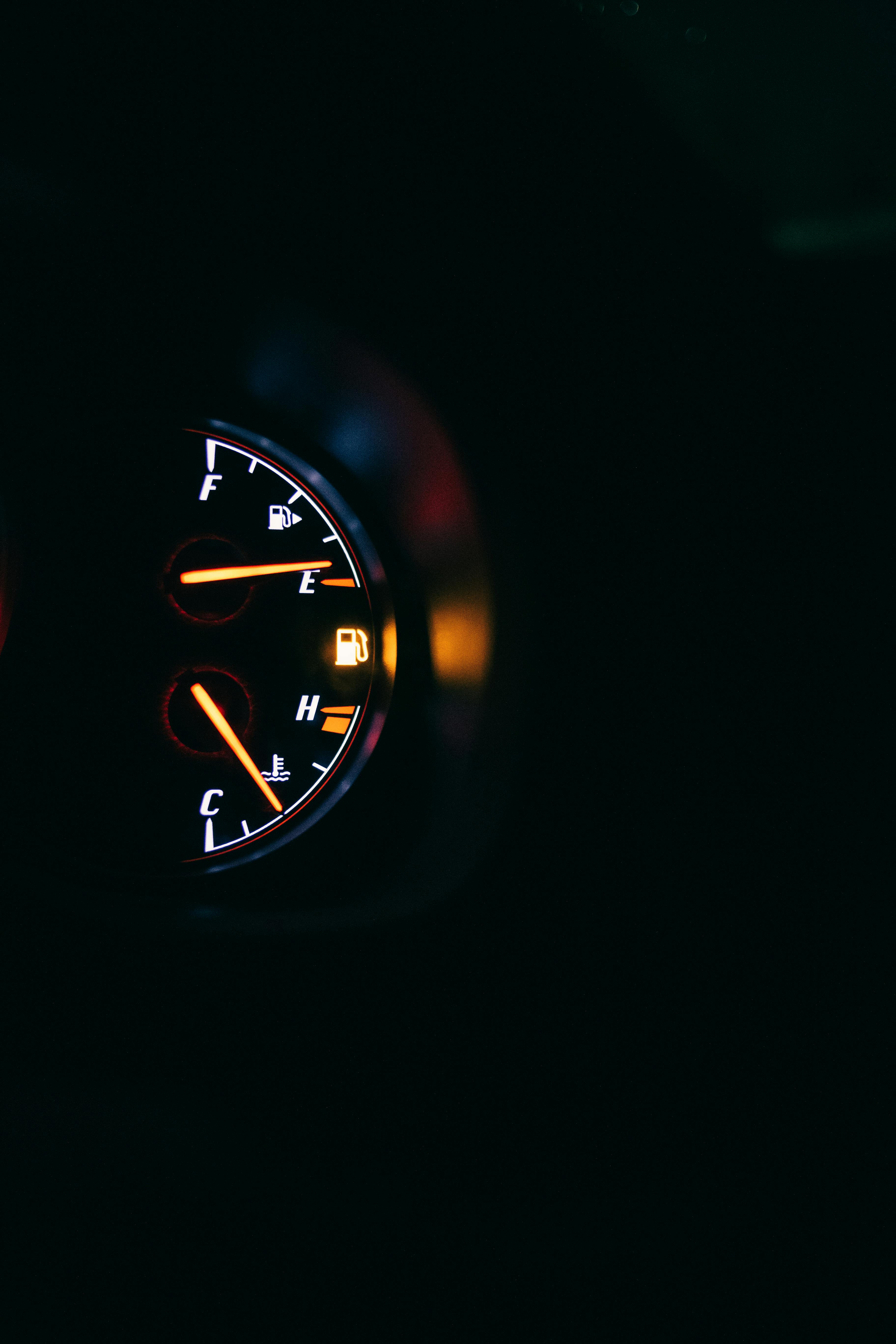
Imagine filling your car’s gas tank every morning—religiously, without fail—and still running out of fuel by noon. You’d check for a leak, right? You wouldn’t just keep filling the tank and hoping for the best.
That’s essentially what I see happening with long-term proton pump inhibitor (PPI) use. People are eating enough food. They’re hitting their macros, they’re checking boxes, they’re doing what they’ve been told. The problem isn’t what’s going on at the table—it’s what’s happening (or not happening) after the food leaves the plate.
The Medication That Works Too Well
PPIs like omeprazole (Prilosec), esomeprazole (Nexium), lansoprazole (Prevacid), and pantoprazole (Protonix) are among the most widely prescribed medications in the world—and they do exactly what they’re designed to do. They shut down the proton pumps in your stomach lining that produce hydrochloric acid, and they do it with impressive efficiency. For someone dealing with a bleeding ulcer or severe erosive esophagitis, that kind of acid suppression can be genuinely life-saving in the short term.
Here’s the thing, though: stomach acid isn’t the villain it’s been made out to be.
Hydrochloric acid is one of the most critical players in the entire digestive process. It’s your body’s first line of defense against ingested pathogens. It’s what cleaves vitamin B12 from the proteins it’s bound to in food. It converts iron into a form your body can actually absorb. It triggers the downstream release of digestive enzymes from the pancreas and bile from the gallbladder—the very substances your body needs to break down fats, absorb fat-soluble vitamins, and assimilate minerals like calcium, magnesium, and zinc.
When you suppress that acid production for weeks, months, years, or decades—you’re not just turning down the volume on heartburn. You’re dimming the entire digestive cascade.
Internal Under-Eating: A Full Plate and an Empty Tank
This is the concept I keep coming back to with clients, and it’s one that doesn’t get nearly enough attention: internal under-eating.
From the outside, everything looks fine. The person is eating adequate food—sometimes even really high-quality food. Their caloric intake seems reasonable. Their protein looks decent on paper. There’s no obvious reason why they should be struggling with fatigue, thinning hair, brittle nails, brain fog, muscle wasting, or chronic infections that won’t resolve.
The reason is that what you eat only matters if your body can break it down and absorb it. PPIs compromise that process at the very top of the chain.
The research on this is pretty consistent. Long-term PPI use has been associated with impaired absorption of vitamin B12, iron, calcium, magnesium, zinc, vitamin C, and vitamin D. That’s not a minor list—that’s a who’s who of the nutrients your body needs to build bone, produce energy, support immune function, regulate mood, and maintain the structural integrity of your skin, hair, and connective tissue.
In my experience, what I see clinically is people who are eating well and still presenting with deficiency patterns that don’t make sense on paper—until you look at their medication list and see a PPI that’s been quietly running in the background for five, ten, sometimes twenty-plus years.
How PPIs Can Worsen the Very Problem They’re Meant to Solve
Here’s where it gets really frustrating—and where I think the system has genuinely failed a lot of people.
Many of the symptoms that lead someone to a PPI prescription in the first place—the reflux, the burning, the bloating, the feeling of food sitting in your stomach like a brick—can actually be caused by low stomach acid, not high stomach acid. I know that sounds counterintuitive. It did to me, too, the first time I encountered it.
The mechanism actually makes a lot of sense once you trace it through. When stomach acid is insufficient, food doesn’t break down efficiently. It sits in the stomach longer than it should, fermenting, producing gas, and creating upward pressure on the lower esophageal sphincter—the little door between your stomach and esophagus. That pressure forces stomach contents upward, and whatever acid is present burns the esophageal lining. The person experiences this as reflux. The doctor prescribes a PPI. The acid gets even lower. The food sits even longer. The cycle deepens.
What keeps showing up in the data is a phenomenon researchers call rebound acid hypersecretion—when someone tries to stop their PPI, the stomach overcompensates by producing more acid than it did before the medication, making symptoms temporarily worse. Research has shown that this rebound effect can produce reflux-like symptoms in people who never had reflux to begin with. In one study, otherwise healthy volunteers who took a PPI developed gastrointestinal symptoms after discontinuation that they didn’t have before starting the medication.
This creates a cycle that’s hard to break: the PPI causes the body to adapt, and stopping it produces symptoms that feel like proof the medication is still necessary. It’s not that the person’s underlying condition is getting worse—it’s that their body has become dependent on the suppression. I’m not saying that’s intentional on anyone’s part; it’s a predictable physiological response that most prescribers may not be thinking about when they write the refill.
The Downstream Damage: Gut Dysbiosis, SIBO, and Weight Gain
The story doesn’t stop at nutrient malabsorption. Stomach acid serves as a gatekeeper—it’s one of the body’s primary defenses against pathogenic bacteria and fungi making their way into the small intestine. When you suppress that acid, you’re essentially leaving the door open.
From what I’ve seen in the literature and in practice, long-term PPI use has been associated with a significantly increased risk of small intestinal bacterial overgrowth (SIBO). One study found that SIBO was detected in 50% of long-term PPI users compared to just 6% of healthy controls. That’s a staggering difference, and it tracks with what I see week in and week out—people on long-term PPIs who present with bloating, gas, irregular bowel habits, and other symptoms that are frequently misattributed to food sensitivities or IBS when the root issue may be bacterial overgrowth driven by the very medication that was supposed to help.
PPIs have also been shown to alter the composition of the gut microbiome more broadly—reducing beneficial bacterial populations, promoting the colonization of oral bacteria further down the GI tract, and increasing susceptibility to infections like C. difficile. When the gut’s internal ecosystem is disrupted that significantly, the downstream effects touch everything from immune function to mental health to metabolic regulation.
On the weight gain front—the data here is nuanced, and I want to be honest about that. Some studies have found a significant association between long-term PPI use and weight gain; one Japanese study showed that 36% of GERD patients on PPIs gained more than 5% of their body weight compared to just 4% in the control group. Other studies haven’t found that association. What I can tell you from my own clinical observation is that I’ve seen significant, stubborn weight gain in people who have been on PPIs for 20, 30, even 40-plus years—and the weight doesn’t always behave the way you’d expect it to based on their intake and activity level.
I theorize that this is related to the compounding effect of everything we’ve been talking about: disrupted nutrient absorption means compromised metabolic function; altered gut microbiome composition shifts the Firmicutes-to-Bacteroidetes ratio in a direction associated with obesity; impaired bile flow reduces fat digestion and detoxification efficiency; and systemic inflammation from bacterial overgrowth and intestinal permeability creates an environment where the body holds onto weight as a protective mechanism. None of that is the person’s fault. It’s the downstream consequence of a medication that was probably never intended for decades of continuous use.
What Does the Path Forward Actually Look Like?
This is the part I get most excited about—because in my experience, so far, the damage from long-term PPI use is not permanent for most people. Absorption and digestion can be restored. It takes time, patience, medical supervision, and a willingness to ride out a rough transition—but I’ve seen it happen.
First and most importantly: do not stop a PPI cold turkey. Tapering needs to happen under the guidance of a qualified medical provider who understands rebound acid hypersecretion and can help you step down gradually. This is not a DIY project, and I can’t stress that enough. The transition can be uncomfortable—sometimes very uncomfortable—and having professional support makes the difference between pushing through intelligently and giving up because the rebound symptoms feel unbearable.
Once the taper is underway or complete, the focus shifts to rebuilding what the PPI suppressed. Here’s what I’ve seen work well for the people I’ve worked with—though, as always, any supplementation should be discussed with your provider to ensure it fits into your health big picture safely:
Supporting stomach acid production. Betaine HCl with pepsin, taken with protein-containing meals, is one of the most common tools used in integrative and functional medicine to address low stomach acid. The research here is still developing, but what has been published is encouraging—studies have shown that a 1,500 mg dose of betaine HCl can significantly re-acidify the stomach environment within minutes, even in people with PPI-induced hypochlorhydria. The effect is temporary (roughly one to two hours per dose), which is why it’s taken with meals rather than on an empty stomach. I’ve seen a lot of success in people who have chosen to try this approach; many of them report that the bloating, heaviness, and reflux they attributed to “too much acid” actually resolves when they add acid back in. That alone can be a lightbulb moment.
Supporting liver and gallbladder function. This is the piece that often gets overlooked—and in my experience, it’s one of the biggest levers. Stomach acid triggers the release of bile from the gallbladder, and bile is essential for fat digestion, absorption of fat-soluble vitamins (A, D, E, K), and clearance of metabolic waste. When acid production has been suppressed for years, bile flow can become sluggish, and the gallbladder itself can lose some of its contractile efficiency—similar to any organ that doesn’t get “exercised” regularly. Supporting bile flow is where I’d start, and there are a few tools worth knowing about—listed here in the order I’d consider them based on standalone impact.
Ox bile supplementation directly replaces the bile your gallbladder would normally release in concentrated bursts with meals. For someone whose bile flow has been sluggish from years of suppressed acid production, this is often the most immediately impactful single intervention. Taking it with fattier meals gives your digestive system the emulsifying agents it needs to actually break down and absorb dietary fat. If you can only try one supplement from this list, this is where I’d point you.
Bitter herbs—gentian root, artichoke leaf, and dandelion root—stimulate the liver and gallbladder to produce and release bile on their own. They’re a gentler, food-first approach that can work well alongside ox bile or on their own for people whose bile flow is sluggish but not severely compromised.
TUDCA (tauroursodeoxycholic acid) works at a different level than ox bile. Where ox bile supplements the bile itself, TUDCA supports the quality and flow of the bile your liver is already producing—think of it as clearing the plumbing rather than adding more water. For someone who feels sluggish or nauseated after fatty meals even with ox bile on board, that may indicate bile that’s thick or stagnant rather than simply insufficient. TUDCA addresses that upstream issue and pairs well with ox bile as part of a more comprehensive approach.
TMG (trimethylglycine) supports the methylation pathways that are closely tied to liver detoxification and hormone metabolism. After years of impaired nutrient absorption from PPI use, the liver’s methylation capacity can fall behind—TMG helps shore up that specific function while the body catches up.
Dietary strategies that include adequate healthy fats round out the picture—your gallbladder needs to be “exercised” through regular fat intake to regain its contractile efficiency, similar to any organ that’s been dormant.
Not everyone needs all of these. Some people start with ox bile alone and find that’s enough to shift their digestion meaningfully. If budget is a factor, start with the first one or two on this list—they carry the most standalone impact. The goal is to use targeted support while the body’s own production catches up, not to build a permanent supplement regimen.
Addressing the microbial fallout. If SIBO or significant gut dysbiosis has developed during PPI use, that needs to be addressed directly—whether through targeted antimicrobials, a gut-supportive dietary protocol, or both. This isn’t a “take a probiotic and hope for the best” situation; it requires a more structured approach that’s ideally guided by testing and clinical assessment.
Restoring nutrient status. After years of impaired absorption, many people need a period of targeted repletion—especially B12, iron, magnesium, zinc, and vitamin D. Working with a practitioner who can test and monitor these levels makes a real difference.
If you’re using a carnivore or animal-based protocol as the dietary foundation for this recovery, it’s worth understanding that the healing phase works differently than the weight loss phase—and applying weight loss strategies too early is one of the most common ways people derail progress they don’t even know they’re making. I cover that distinction in depth here.
The Bigger Picture
I want to be clear about something: I’m not anti-medication. PPIs have a legitimate and important role in acute situations—active ulcers, severe erosive disease, Barrett’s esophagus, and certain other conditions where the benefit clearly outweighs the risk. The conversation that needs to happen—and often doesn’t—is around what happens when a short-term solution quietly becomes a lifelong default.
The system wasn’t built to question a medication that “works.” If the burning stops, the prescription gets refilled, and nobody pauses to ask whether the burning was caused by too much acid or too little. Nobody checks to see if the person is now malabsorbing key nutrients. Nobody revisits the diagnosis after five years, ten years, twenty years to determine if the medication is still necessary or if it’s now causing more problems than it ever solved.
Most doctors are doing the best they can with the tools and time they’ve been given. The issue isn’t carelessness—it’s that the model of care doesn’t always create space for the kind of root-cause investigation that catches these patterns. That’s where health coaches, functional practitioners, and an informed patient can fill the gap. If you want to go deeper on why liver health is so often the first domino in metabolic recovery, I’ve written about that connection separately.
If you’ve been on a PPI for years and you’re experiencing symptoms that don’t seem to resolve—fatigue, brain fog, thinning hair, stubborn weight gain, bloating that won’t quit, infections that keep coming back—it might be worth looking at the medication itself as a variable rather than assuming you need to add more interventions on top of it. The answer may not be more suppression; it may be more support.
I’ve seen people come off decades of PPI use, rebuild their stomach acid production, restore their bile flow, and experience a level of digestion and vitality they forgot was possible. The process isn’t quick, and the transition is real—but the body has a remarkable capacity to heal when you stop working against it and start working with it.
Sources
- Reimer C, Søndergaard B, Hilsted L, Bytzer P. “Proton-pump inhibitor therapy induces acid-related symptoms in healthy volunteers after withdrawal of therapy.” Gastroenterology, 2009. 10.1053/j.gastro.2009.03.058
- Chen B, Kim JJ, Zhang Y, Du L, Dai N. “Prevalence and predictors of small intestinal bacterial overgrowth in irritable bowel syndrome: a systematic review and meta-analysis.” Journal of Gastroenterology, 2018. 10.1007/s00535-018-1476-9
Rance Edwards is a National Board Certified Health and Wellness Coach (NBC-HWC) with over 2,000 clinical hours of experience, specializing in chronic disease management and lifestyle medicine.
If any of this resonated with you and you’d like to talk through what a path forward might look like, I offer a free discovery call—no sales pitch, just a real conversation about where you are and what might help. If working together isn’t the right fit, I’ll tell you that, too. Schedule a free discovery call →